Gum Disease

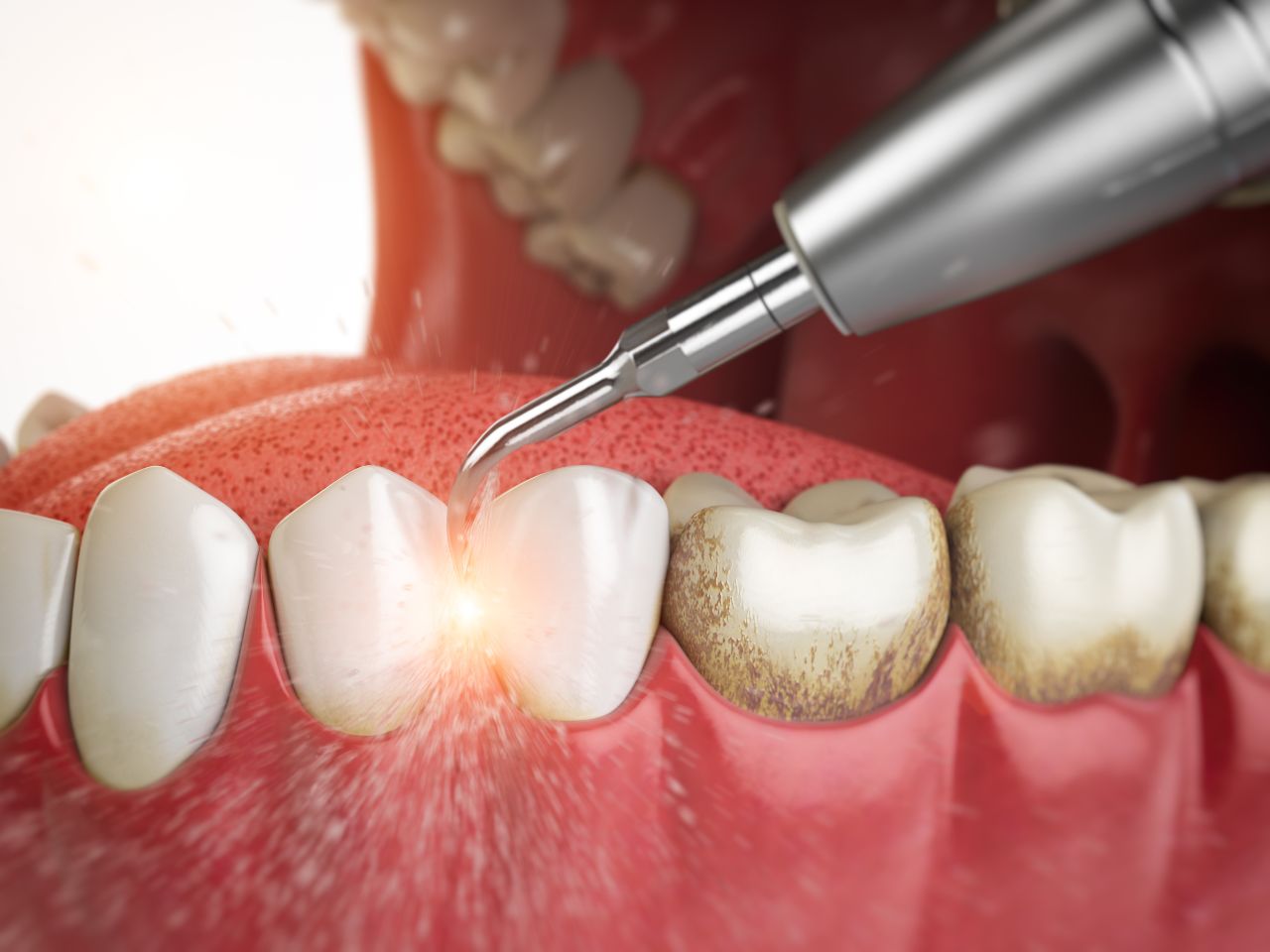
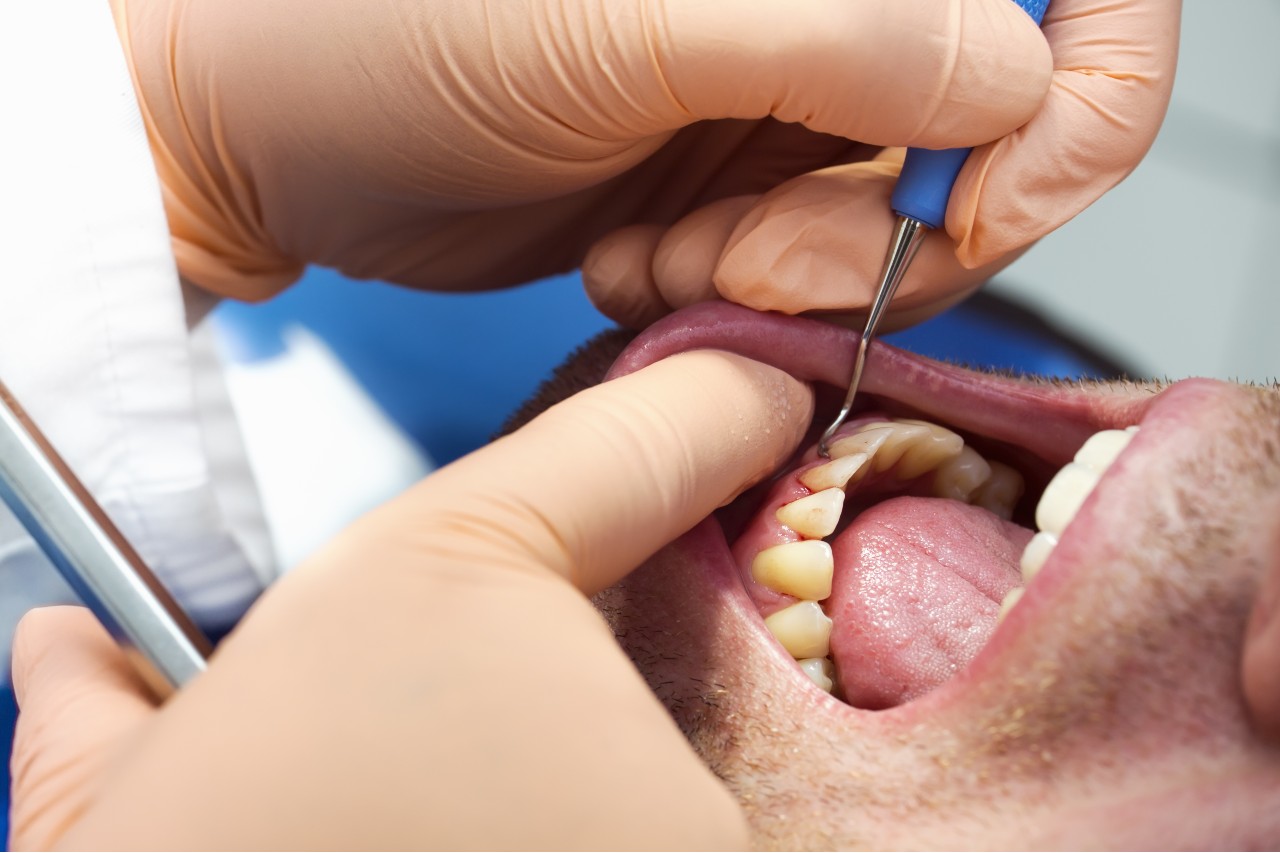
Gum disease or periodontal disease is when you have inflammation of the gums. Gum disease breaks down the tissue around our teeth and gums, and if not treated can lead to tooth loss. In recent studies doctors have looked at the correlation between gum disease and heart disease. Heart disease is when the blood vessels around the heart are narrow or blocked.

What Is the Correlation Between Gum Disease and Heart Disease?

According to a research study in the American Journal of Preventative Medicine, people who treated their gum disease had less cardiovascular issues compared to other people that did not seek oral treatment. This indicates that gum disease does affect our heart health. Other studies have found that there is a direct link between our oral health and our heart health. Gum disease can increase a person’s risk of heart disease by 20 percent. The inflammation in the gums can cause narrowing of the arteries, and can result in heart conditions.

Gum disease is also linked to other conditions if not treated. These conditions include respiratory disease such as pneumonia, cancer, rheumatoid arthritis, and osteoporosis. If you have diabetes, research suggests that you may have a greater chance of developing gum disease in the future. This is due to the inflammation and the risk of infection.

How Can We Help?

At Total Implants & Periodontics, we focus on prevention and help patients take control of their oral health. If you notice inflammation of the gums, and think you may have gum disease, we encourage you to call our office. Gum disease can progress and lead to unstable teeth, or even tooth loss if not treated.

Taking care of your oral health is important because the health of your mouth is directly linked to your overall health.  Our team has years of experience in treating gum disease, and we give patients advice on how to take care of their teeth and gums at home. Practicing good oral hygiene is important as well as attending your regular visits to our office. Dental exams can ensure your gums look healthy, and allow our team to get in front of any issues before gum disease develops.

Ready to Schedule Your Appointment?

If you are due for your regular dental exam and cleaning, or are concerned you may have gum disease, contact Total Implants & Periodontics, and our friendly staff will be happy to assist you. We provide honest and quality dental care you can trust, and we look forward to you joining our dental family.
Periodontal Pockets

If you notice your gums are inflamed or receding, you may be wondering what procedures are available to help shrink periodontal pockets. When gums are loose and no longer fit snug around your teeth, this can cause bacteria and plaque to collect underneath the gums. This can cause severe damage to your gums and teeth, and if not treated can result in unstable teeth, or even tooth loss.

At this point brushing and flossing can not reach the bacteria that is deep down in the infected pockets of your gums, and you need to contact a periodontist. There are a few different procedures available to help shrink or fix periodontal pockets and prevent bacteria or plaque from collecting in the future.

What Treatments Are Available to Treat Periodontal Pockets?

Scaling and Root Planing

Scaling and root planing helps to deep clean in and around the periodontal pockets. This procedure removes the plaque and bacteria on the tooth and underneath the gum line. Scaling and root planing helps to shrink periodontal pockets and can heal gum tissue. This treatment prevents further infection, and keeps your teeth and gums looking and feeling great. After scaling and root planing most patients notice their gums recede less, and they are restored.

Gingival Flap Surgery

Gingival flap surgery is when the gum tissue is folded back and the diseased tissue is removed. The gum is then secured back into place, and the area is smoothed out to prevent bacteria from entering in the future.

Gingivectomy

This procedure removes overgrown tissue around your teeth by cutting it away. This can help patients clean their teeth easier, and stops bacteria from collecting in the gums.

Gingivoplasty

A gingivoplasty procedure helps to reshape gum tissue around the teeth. During this procedure gum grafts can be used, and stitched into place where the gums have receded.

The treatment needed will depend on the severity of the patient’s periodontal pockets. During our consultation process we perform a detailed evaluation and develop a customized treatment plan. Our doctors will discuss the recommended treatment, and talk to the patient about all of their options to treat their periodontal pockets. Treating gum disease is very important, and can save you a lot of trouble in the future.

At Total Implants & Periodontics, we have years of experience in periodontics, and love to help patients restore their gums and smile. Let our team help you take that first step towards healthier gums with one of our periodontal gum treatments.

Interested in Finding Out More About Periodontal Pocket Treatment Options?

If you are interested in finding out how periodontal pocket treatments can benefit you, please contact Total Implants & Periodontics, and our friendly staff will be happy to assist you.

Tooth Sensitivity

Tooth sensitivity is a common problem, and many patients encounter pain or discomfort when they eat certain foods that are hot or cold. According to the Academy of General Dentistry, around 40 million adults suffer from sensitivity. Usually, the pain is temporary and can be treated to improve, but not cure the condition.

At Total Implants & Periodontics, we provide many general dentistry services including treatment for patients that suffer from sensitivity. We strive to provide quality dental care in a caring and friendly environment, where patients can relax during their treatment. We welcome new patients to our practice, and look forward to you joining our dental family.
What Causes Tooth Sensitivity?

Tooth sensitivity can happen suddenly, and to anyone. Typically, symptoms of sensitivity include a sudden sharp pain when your teeth are exposed to cold, hot, or acidic foods. Tooth sensitivity can also come after you brush or floss your teeth. Teeth whitening can cause sensitivity after treatment, so patients should consider this when they are deciding to start a whitening regimen.

Our teeth are protected by enamel, and underneath the enamel is a layer of dentin. Dentin is soft, and if the enamel on your teeth is worn down, or your gums have receded the dentin can become exposed. Dentin can be exposed from cavities or cracks in your teeth. The dentin is connected to the nerve area, and this is what can cause pain or sensitive teeth.

Other Actions That Can Cause Sensitivity

  • Brushing too vigorously
  • Gum recession from periodontal disease
  • Gingivitis
  • Teeth grinding or clenching
  • Cracked or injured teeth
  • Plaque
  • Acidic foods or drinks
  • Dental procedures such as sensitivity after a filling
  • Teeth Whitening treatments

What Treatments Are Available for Tooth Sensitivity?

Tooth sensitivity can never completely go away, but there are treatments available that can help alleviate the sensitivity you experience. If you are experiencing any sensitivity, we recommend you make an appointment for an exam in our office. We can treat sensitivity easier if we know that is what is causing you pain. Never leave pain untreated as this could lead to more serious issues in the future.

Sensitivity Treatments

  • Using a toothpaste for sensitive teeth.
  • Changing to a soft bristled tooth brush.
  • Use a mouthwash that contains fluoride.
  • Avoid acidic foods or drinks.
  • Avoid clenching or grinding your teeth.
  • Inlays or bonding can help fix a tooth and decrease sensitivity.
  • Gum grafts can help protect the root area of the tooth.
  • Fluoride gel or varnish treatment can help protect your teeth from wear and tear.
  • Root Canal therapy if needed can help with severe tooth sensitivity, but this is typically the last resort.

Taking care of your teeth and knowing when to call your dentist is important. Patients should never have prolonged pain or sensitivity to hot or cold. It is always important to take care of your oral health, and practice good habits at home. At Total Implants & Periodontics, your oral health is our priority, and we strive to provide our patients with quality and affordable dental services. Let our team help you take charge of your dental health.

Ready To Schedule Your Appointment?

If you are interested in finding out more about treatments for tooth sensitivity, contact Total Implants & Periodontics, and our friendly staff will be happy to assist you.

Dental Flap Surgery

If you have receding gums and notice they are not snug around your teeth, you may have been recommended to have gum flap surgery. When our gums recede and become loose around our teeth, bacteria and plaque can enter the area and collect. The bacteria are collected in the pockets of our gums, and if not treated this can cause damage or serious issues.

When you have receding gums normal brushing and flossing is not able to clean out the bacteria that has collected in the pockets. Not treating the issue can lead to unstable teeth, or even tooth loss. Attending your regular visits to our office is important, so we can monitor any issues with your teeth and gums, and provide the necessary treatment.

At Total Implants & Periodontics, we have many periodontal services to help patients with receding gums. Gingival flap surgery is also known as gum flap surgery, and can help restore a patient’s gums. Our skilled doctors have years of experience in periodontics, and we work with each patient to develop a customized treatment plan that fits your needs. We welcome new patients to our practice, and always strive to provide quality and affordable dental care you can trust.

How Does Dental Flap Surgery Work?

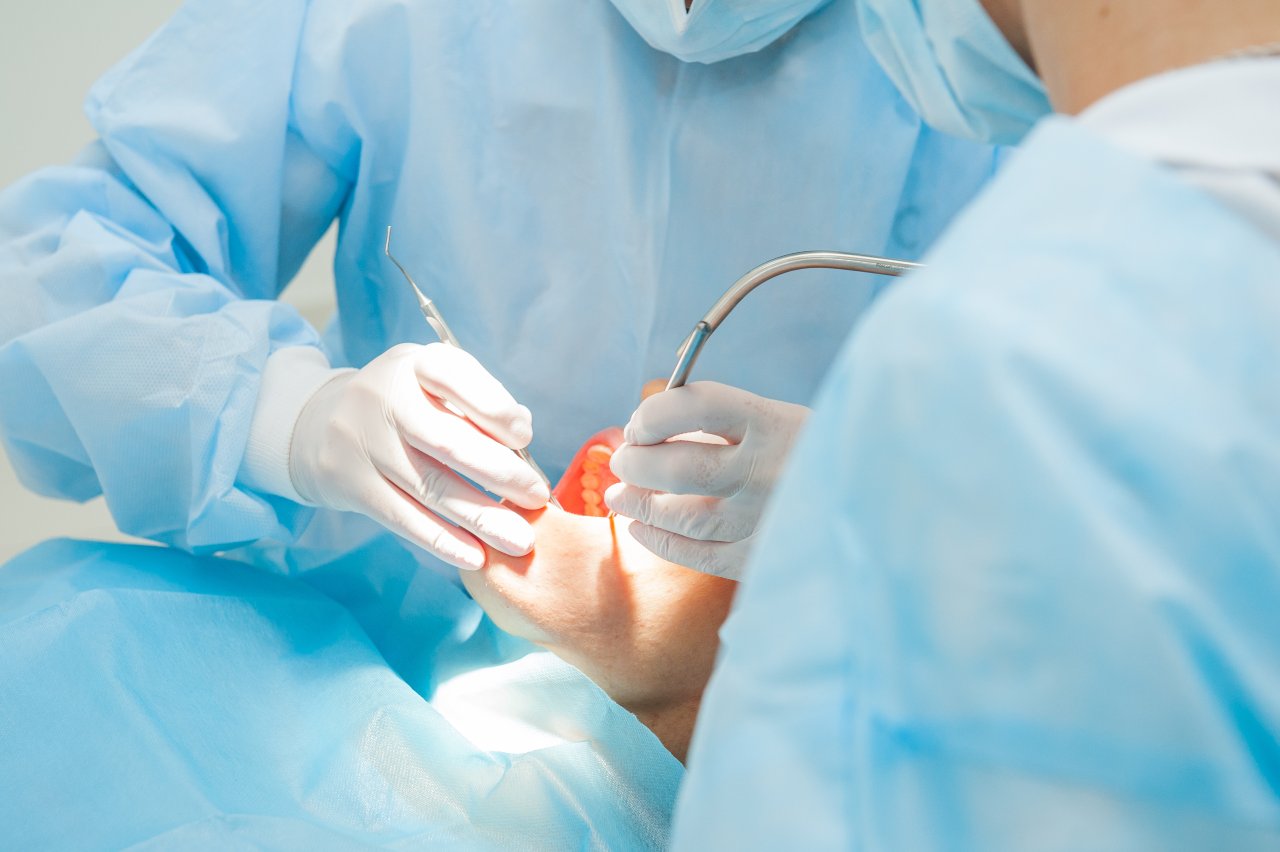
When you arrive for your appointment, we will use local anesthetic to numb the area and keep you comfortable and pain free. Our doctor will gently pull back a section of your gum tissue and clean the roots of your teeth. If there is any bone damage, we will repair that as well.

Once the area is cleaned and bacteria free, your gum will be sewn back into place. During the procedure we can smooth or reshape the bone to avoid plaque from collecting in certain areas in the future. Bone grafting can be used to help repair the area, and allow the bone to grow back properly.

How Is the Recovery After Dental Flap Surgery?

After your surgery patients can expect the recovery to be a few days. Our staff will discuss at-home care instructions for you to follow while you heal. If you experience any pain or complications, we encourage you to contact our office right away. Following the instructions is important to avoid complications and allow the are to heal properly.

What Can I Do at Home To Help the Healing Process?

  • Use over the counter pain medications if needed or prescribed by our doctors.
  • Follow a soft food diet as you heal. Solid foods can be added back gradually.
  • Rinse with warm salt water a few times a day to clean out the area and aid in healing.
  • Avoid strenuous exercise for the first 24-48 hours as this can cause bleeding.
  • Carefully brush your teeth twice daily.
  • Do not use a straw. This type of sucking motion can cause issues with healing.
  • Avoid tobacco products as this can impact the healing process.
  • Take care of the area and change out the gauze as needed.

Dental flap surgery can help repair damaged gums and bone. This type of procedure has a high success rate, and your gums should become pink and healthy again. Patients may experience some sensitivity after the procedure, and antibiotics may be recommended to prevent infection.

Would You Like To Find Out More?

If you are interested in finding out more about how dental flap surgery may help you, contact Total Implants & Periodontics, and our staff will be happy to schedule your appointment.

People with Gum Disease

Gum disease is a serious problem, and if not addressed can cause many different health issues in the future. One of the most important things in life is to take care of your teeth and gums. Our mouths are linked to many other parts of our body, and the health of the oral cavity is important in keeping your body healthy.

We are proactive about your oral health. Attending regular visits to our office for your exam can prevent serious issues, and allows our team to monitor your oral health. Gum disease should never ben left untreated. If you think you may have gum disease or inflammation, we encourage you to contact our office.

Is There a Link Between Gum Disease and Risk of Death?

Gum disease involves inflammation and infection. This requires your immune system to attack the infection and work overtime. The constant inflammation can cause damage to your body over time. Inflammation is dangerous and is linked to cancer and other medical conditions. Medical conditions such as heart disease or diabetes are serious, and can develop in patients that suffer from gum disease.

Our teeth are used for eating and allow us to consume nutrition. If you are missing your teeth due to gum disease, you may miss out on the vital nutrition needed to stay healthy. Patients that can not eat normally may resort to foods or drinks that are not as healthy, or have a higher sugar content.

The best way to prolong your life is to keep your body healthy. This starts with prevention and good oral and overall hygiene. Brushing and flossing each day along with visiting your dentist can get in front or any issues with gum disease early, and prevent future medical conditions that may jeopardize your life.

Dentist X offers many periodontal treatments as well as tooth replacement, and restoration options for our patients. Take charge of your oral health and schedule your consultation today. We will give you thorough exam, and create a customized treatment plan that works for you.

Our facility provides a comfortable and relaxing setting using state of the art technology. Our doctor shave years of experience in periodontics and restoration, and can help restore your smile.

Let us help you take charge of your oral health and get you on the road to healthier gums!

Interested in Finding Out More?

If you think you may have the start of gum disease, or would like to find out more information on gum disease treatments, contact Total Implants & Periodontics, and our friendly staff will be happy to assist you.

Water Flosser

If you suffer from periodontal disease good oral hygiene is extremely important at home. If a patient has periodontal disease, they may have periodontal pockets which are areas under the gum where bacteria can collect over time. This can cause inflammation, infection, bone, and tooth loss.

At Total Implants & Periodontics, we provide many periodontal services for patients that have periodontal disease. Scheduling a consultation in our office allows our doctors to look at your teeth and gums, and determine the best course of treatment. Depending on the severity of your gums, will determine what treatment is needed.

Can Using a Water Flosser Help?

If you have periodontal disease traditional cleaning methods at home can not reach the bacteria properly. These methods are not able to clean deeply enough where the gums are inflamed. To help your oral hygiene routine at home and treat periodontal disease, using a water flosser can make a difference. Water flossers are easy to use and can reach up to 90% of your gum pocket.

A water flosser can remove plaque and improve your gum health. The flosser has a soft rubber tip that is gentle and does not irritate the gums. If you have severe periodontal pockets, we may recommend gum surgery in our office. Our periodontal pocket reduction procedures help to remove bacteria from those deep pockets, and eliminate areas where bacteria can collect in the future. Our procedures also promote healthy bone growth.

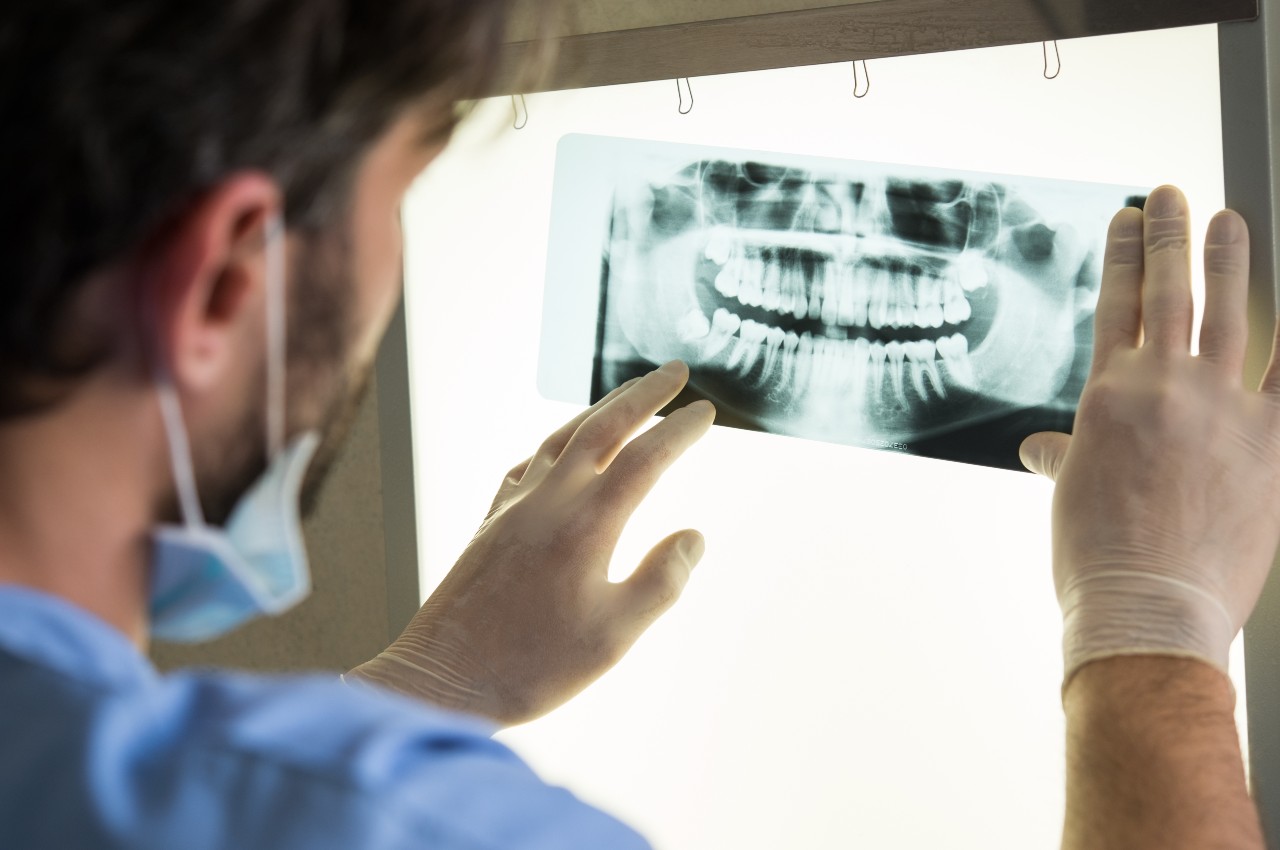
We recommend scheduling a consultation in our office for an exam to determine what treatment is best for you. During your consultation our staff will take x-rays, discuss your health history, and create a customized treatment plan. This allows the patient to ask any questions, and discuss concerns they may have with our team.

If you notice inflammation or have receding gums this should be treated. Gum recession that is left untreated can develop into more serious issues in the future.

Interested in finding Out More?

If you are interested in finding out more about treating periodontal disease at home, or what in-office treatments are available, please contact Total Implants & Periodontics, and our friendly staff will be happy to assist you.