a dental restoration

If you have teeth that are decayed, injured, or missing you may require a dental restoration. Common types of dental restorations include crowns, fillings, implants, dentures, and bridges. Never hesitate to call the dentist if you have an issue with your tooth. In many cases our team can save your tooth with a restoration before the tooth damage progresses. It is always important to address any issues with your teeth promptly, or more serious complications may develop.

What Are Dental Restorations?

Dental restorations are various ways your dentist can help restore your teeth. If you are missing parts of your tooth, have an injury, or decay, restorations can help restore your tooth and prevent further damage. If you have a portion of your tooth missing due to decay, or have an old restoration that is in need of replacement, dental restorations can help fix these issues. 

Following a good oral hygiene routine at home can help keep your teeth and mouth healthy and prevent decay. We recommend attending your regular exams twice a year to ensure your teeth and mouth look healthy. During your regular visits our doctor will check for cavities, and make sure we don’t see any serious issues.

What Are the Different Types of Dental Restorations?

  • Fillings: Fillings are the most common type of dental restoration and can help save teeth from decay. There are many filling types from tooth colored composite fillings, to silver amalgam, and composite fillings. Depending on the size of the cavity and location, will determine what type of filling material is used.
  • Crowns: Crowns are a cap that is placed over a tooth. Crowns restore the shape and size of a tooth, and are matched to blend in with your natural teeth. Crown are used with dental implants, or after a root canal to restore the functionality of a tooth.
  • Bridges: Bridges are false teeth and help to bridge the gap for missing teeth. Bridges are used along side crowns, and cement is used to permanently secure the bridge into place.
  • Dental Implants: Dental Implants are similar to a screw that is placed into the jaw. Implants are posts that are made of titanium and attached to a connector or abutment. The implant is then covered with a crown. Implants are permanent and are highly durable, lasting upwards of 15 years.
  • Dentures: Dentures are made of acrylic resin combined with metal and are a removable replacement for missing teeth. If you still have some of your natural teeth, partial dentures can be used to help bridge the gap and give a natural look.

What Are the Benefits of Dental Restorations?

Dental restorations provide many benefits and help restore your smile. If you are missing teeth or have decay, and are looking to get that perfect smile back, contact Total Implants & Periodontics to help. Dental restorations can help you speak and eat easier, and give you a smile that restores your confidence.

Interested in Finding Out More About Dental Restorations?

If you are interested in finding out more about dental restorations contact Total Implants & Periodontics. Our doctors have years of experience in dental restorations, and love to help patients get the smile of their dreams. Your oral health is important to us, and we make our patients a priority, and always have your best interests in mind. Let our team get you on the road to a great smile!

To schedule your appointment with us contact Total Implants & Periodontics, and our friendly staff will be happy to assist you.

dental implants

If you are looking for that perfect smile and want a permanent solution to broken, missing, or cracked teeth, then dental implants may be the perfect choice. Dental implants are built to last, and give patients a permanent solution that restores your smile. Implants can help build confidence, and if taken care of can last upwards of 25 years.

At Total Implants & Periodontics, our passion is creating beautiful smiles. Our doctors have years of experience in implant dentistry, and love to help patients achieve the smile of their dreams. During our detailed implant process, our doctor will complete an evaluation of your teeth and mouth and create a customized treatment plan. We work directly with the patient to choose a treatment that best fits your needs. Our staff is available every step of the way to answer questions and support our patients through the implant process.

What Are the Benefits of Dental Implants?

Dental implants provide long lasting results, and allow patients to speak and eat normally like they would with natural teeth. Implants are comfortable and are attached to the tooth’s roots, providing a strong base for the crowns that are attached to the implant. Dental implants have a success rate of 95%, and can be life changing. Implants are just as strong as our natural teeth, and in most cases can withstand more pressure. Bone grafting can be done if the patient requires additional support in the jaw area prior to your implant procedure.

Caring for dental implants is similar to caring for your natural teeth. Patients should continue to practice good oral hygiene habits at home with brushing and flossing to keep your dental implants looking and feeling great. At Total Implants & Periodontics your oral health is our priority, and patients should never live with a smile they are embarrassed of. Let our team help you take control of your oral health, and get you started towards a new smile!

Interested in Finding Out More About the Benefits of Dental Implants?

If you are ready for a new smile, and would like to explore the benefits of dental implants, contact Total Implants & Periodontics. Our doctors have done thousands of implant procedures helping patients achieve that perfect smile. Our practice is equipped with state-of-the-art technology in a welcoming and relaxing environment. We are accepting new patients, and we welcome you to join our dental family.

To schedule your implant consultation, contact Total Implants & Periodontics, and our friendly staff will be happy to assist you.

implants time to heal

If you are looking at dental implants and want the process to be quick, then All-On-4 dental implants may be right for you. All-on-4 implants are also known as Teeth in a Day, and can be placed in a single appointment. All-on-4 implants are a fixed denture that is implant supported typically by 4 dental implants.

How Do All-on-4 Dental Implants Work?

All-on-4 dental implants can provide patients with dental implants in just one visit to our office. The implants are strategically placed in the top and bottom of the mouth. The benefit of this type of implant is that an implant is not needed for every tooth, making the process easier compared to traditional implants. All-on-4 dental implants are reliable and can last for years. During the healing process the implants fuse to the bone and this creates a stable base.

How Does the Healing Process Work?

Many patients wonder how the healing process works with All-on-4 implants compared to other options. The good news is the healing time is quicker with All-on-4 compared to traditional implants. Patients should still plan for a few months of healing as the implants fuse to the jawbone. Patients can experience the benefits of implants, and restore their smile in one day.

Once the implants are placed, we do recommend a liquid diet as the area heals. Patients can slowly incorporate soft foods into their diet, and be careful while chewing. Gradually patients can add normal foods back into their diet as your mouth heals. Patients are required to return for follow up visits to our office. This ensures the implants are healing properly, and allows our doctors to spot any potential issues. We also want to make sure the implants feel comfortable in the mouth, and listen to feedback our patients have about their new smile.

Interested in Finding Out More About All-On-4 Dental Implants?

If you are ready to take that next step towards a beautiful smile, contact Total Implants & Periodontics. Our doctors have years of experience in implant dentistry, and love to give patients a smile they can show off. Dental implants restore confidence, and allow you to speak and eat normally. Implants are life changing, and can help you feel better about yourself and your smile. Let our team help you move towards that smile you have always wanted!

To schedule your implant consultation, or to find out more about the benefits of All-on-4 dental implants, contact Total Implants & Periodontics, and our friendly staff will be happy to assist you.

dental implant

If you have been using dentures for years and are ready for a change, dental implants may be the perfect solution. You may be wondering if you can switch from dentures to implants, and the good news is that this is an option. Many patients get frustrated with dentures, but in the beginning they were the easier choice. Dentures are easier to get and do not require the recovery time that implants require. Cost is much lower and this attracts patients to dentures.

Patients tend to get frustrated with dentures over time, and do not like the slipping or clicking that comes with them. Dentures have to be taken out and cleaned, adding another item to your oral hygiene routine. Over time our faces tend to sag, and dentures do not provide the support that implants do.

Why Should I Switch to Dental Implants?

Dental implants can improve your dental health, and can give you a better quality of life. Implants are permanent and last for years restoring your smile. Patients do not have to worry about slipping or clicking, and can eat the foods they love without worrying their device will fall out. Implants are comfortable and feel like natural teeth. You don’t have to worry about sore spots or raw gums, and patients can feel confident around others.

Taking care of dental implants is similar to caring for your natural teeth. Following a good oral hygiene routine at home can ensure your dental implants always look and feel great. You will feel like you have your natural teeth again with dental implants.

Is Bone Grafting Needed?

In some cases when patients switch from dentures to implants, they may need a bone graft. Over time your jawbone shrinks, and you may not have enough bone to support the implants. As part of the evaluation, we will check to see if you have sufficient bone in the jaw. If needed bone grafting can be done to provide the support needed prior to you starting the implant process. The recovery period for a bone graft is a few months, and this can vary between patients.

Ready to Find Out More About Switching to Dental Implants?

The majority of patients are great candidates for dental implants, and our team at Total Implants & Periodontics, strives to help patients achieve a smile they love. You don’t have to suffer with dentures, and implants can give you a permanent solution that lasts for years.

Our doctors have years of experience in implant dentistry, and we love to help patients achieve the smile of their dreams. Let our team at Total Implants & Periodontics help you start the implant process today!

To schedule your implant consultation contact Total Implants & Periodontics, and our friendly staff will be happy to assist you.
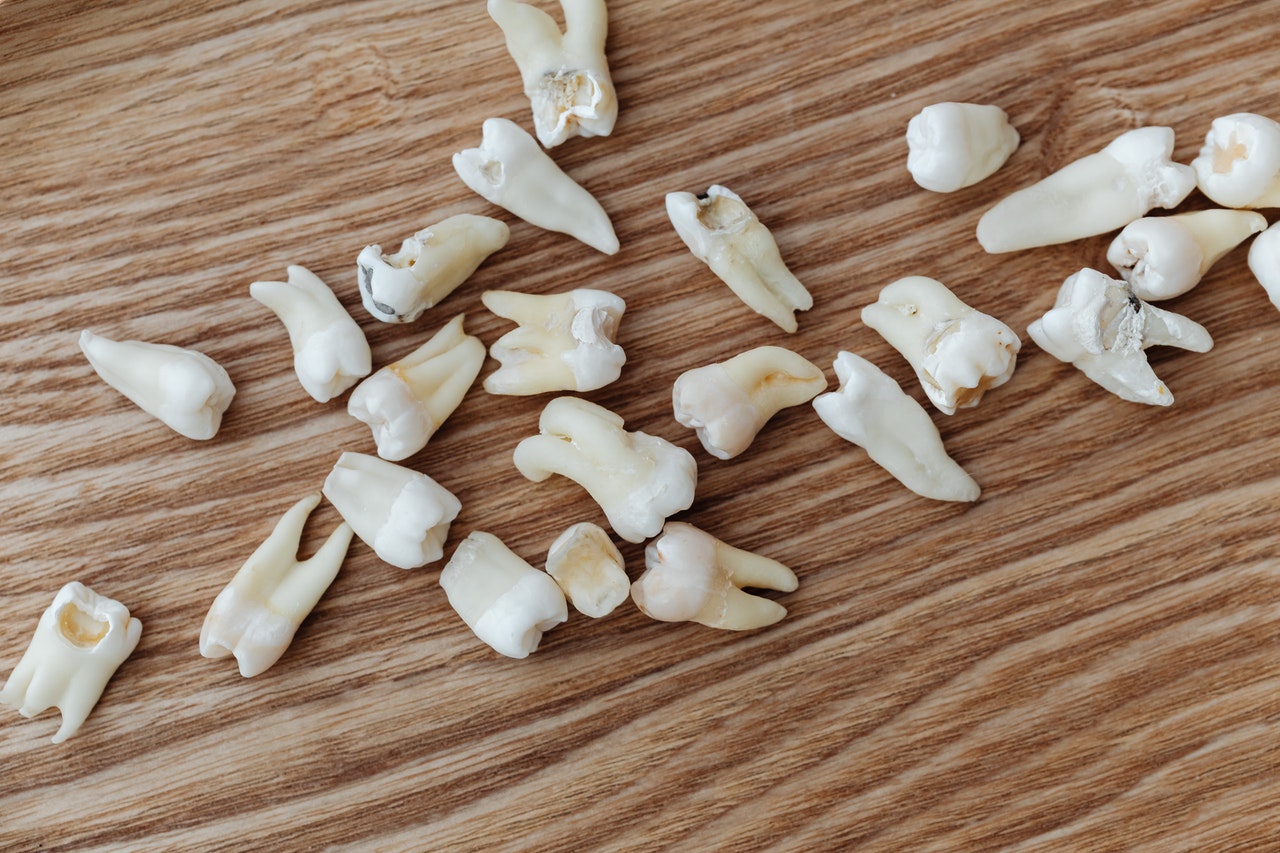
scaling of teeth

Scaling and root planing helps to clean the teeth and remove plaque on both the tooth and root surfaces. This periodontal procedure is done to deep clean and remove plaque buildup from the gums and teeth. If you have periodontal pockets or swollen gums, scaling and root planning can help restore your gums and prevent tooth loss.

What Can I Expect Before My Treatment?

Before your treatment you may be required to take antibiotics. There is risk of infection with scaling and root planing because of the bacteria that is cleaned out during the procedure. With a deep cleaning treatment, sometimes bacteria can be released into the bloodstream during the process.

Scaling and root planing may cause some discomfort. To keep patients relaxed and comfortable, we may apply topical or local anesthetic to the area. This numbs the gums where we are working. Minor bleeding and swelling may occur, but this should subside after a few days.

Other risks include issues with gum reattachment, gum recession, or nerve damage. These side effects are rare, and most patients have no issues after their treatment. The most common side effect is pain and sensitivity after the procedure.

How Is the Recovery Process?

Most patients experience pain and sensitivity after the procedure. This typically lasts between 5 to 7 days or up to a few weeks, and this varies per patient. To help with sensitivity we recommend eating a soft food diet, and avoid drinking any hot or cold beverages. Over the counter medications can be taken, and we recommend brushing and flossing regularly to keep up with your oral hygiene at home. Patients can rinse with warm salt water to ease the pain during recovery. Overall, the healing process is quick, and patients can return to normal activity soon after their treatment.

Scaling and root planing helps to stop gum disease, and promotes healing where your gums are inflamed. This procedure can eliminate bad breath and protect the roots of your teeth.

Interested in Finding Out More?

At Total Implants & Periodontics, we have years of periodontal experience, and love to help our patients. Taking care of your teeth and gums is important, and our team is here to help. Gum disease should always be treated, and can lead to more serious issues in the future if it is not addressed properly.

If you are interested in finding out more about how scaling and root planing can benefit you, contact Total Implants & Periodontics, and our friendly staff will assist you.

Teeth Fall Out

Decay can deteriorate our teeth and over time if not treated, the teeth can become loose and even fall out. Decay damages teeth and can cause dental abscesses that can become serious if not treated. When you have plaque build up the plaque uses the sugars in the food you eat to create acids. These acids are what damages and eats away at the enamel on our teeth.

During the decay process there are various phases that happen. These signs can indicate that you need to see your dentist to try and remove the plaque before it is too late. At Total Implants & Periodontics, we focus on prevention and teach our patients how to practice good oral hygiene habits at home. Taking care of our teeth from children through adulthood is important, and can prevent many serious issues as we get older.

What Are the Stages of Tooth Decay?

Plaque buildup can cover the surfaces of your teeth, and if you do not have your teeth cleaned regularly this plaque can turn into hard tarter. Once the tarter develops this makes it difficult to remove the bacteria that are causing the plaque.

Enamel Breakdown

The outer layer of your teeth is made up of enamel. Enamel is very durable and made of many minerals. When your teeth are exposed to plaque bacteria, the acids attack the enamel and break down. Some patients may notice white spots developing on their teeth. This indicates the decay has reached the enamel.

Decay of Enamel

Once the decay begins to attack the enamel of the tooth, the enamel will just continue to break down. If you notice a white spot on your tooth, this may turn darker or brown at this stage of decay. Eventually, cavities develop, and you must visit your dentist to have the area filled.

Effects on Dentin

Dentin is the layer beneath the enamel. This layer is a lot softer and not as durable as enamel. If acid reaches this layer, it can really cause damage quickly. Once the bacteria and decay reach the dentin of your tooth you may develop sensitivity to hot or cold.

Damage to the Pulp Area

If you notice swelling in or around a tooth this may indicate you have damage to the pulp area of the tooth. This area contains many nerves and blood vessels. When the pulp area swells, this can push on the nerves and cause severe pain.

Abscessed Tooth

If the decay has reached the pulp area of the tooth, the bacteria can cause an infection. You may notice pus around the area. Abscesses can cause severe pain in the mouth and jaw. Swelling may be present in the gums, face, or neck. If you think you have an abscess, we recommend calling our office right away. At this point treatment may require removing the tooth, or the tooth may fall out on its own.

What Treatment Is Available?

Depending on the level of decay and severity of damage will determine what treatment is required. Our doctors have years of experience in periodontics, and always have our patients’ best interest in mind. Our team will evaluate the area, and develop a customized treatment plan. We will discuss treatment options, and always try and save the tooth before we resort to removal.

If the patient only has decay in the enamel layer most likely a filling can correct the issue, and preserve the tooth. For teeth that have decay on the dentin layer, this may require a filling and a crown. When patients come in with pulp damage, a root canal may be needed to help save the tooth and clean out any infection. If the patient has an abscess and the damage is so severe that saving the tooth is not possible, we may resort to removing the tooth completely. If tooth removal is required, our team will discuss tooth restoration options to restore your smile.

At Total Implants & Periodontics your oral health is our priority, and we strive to provide the highest level of care to all of our patients. We use state of the art equipment, and use the latest tools and techniques in the dental industry. Our doctors and staff have specialized training for dental emergencies, and can handle any type of emergency that comes our way. 

Interested in Making an Appointment?

If you are in severe pain and think you have an issue with a tooth due to decay, contact Total Implants & Periodontics, and we can rid you of pain, and get you on the road to recovery. We provide quality and affordable dental care you can trust.

To schedule your appointment contact Total Implants & Periodontics, and our friendly staff will be happy to assist you.