Ctqugdkv Min

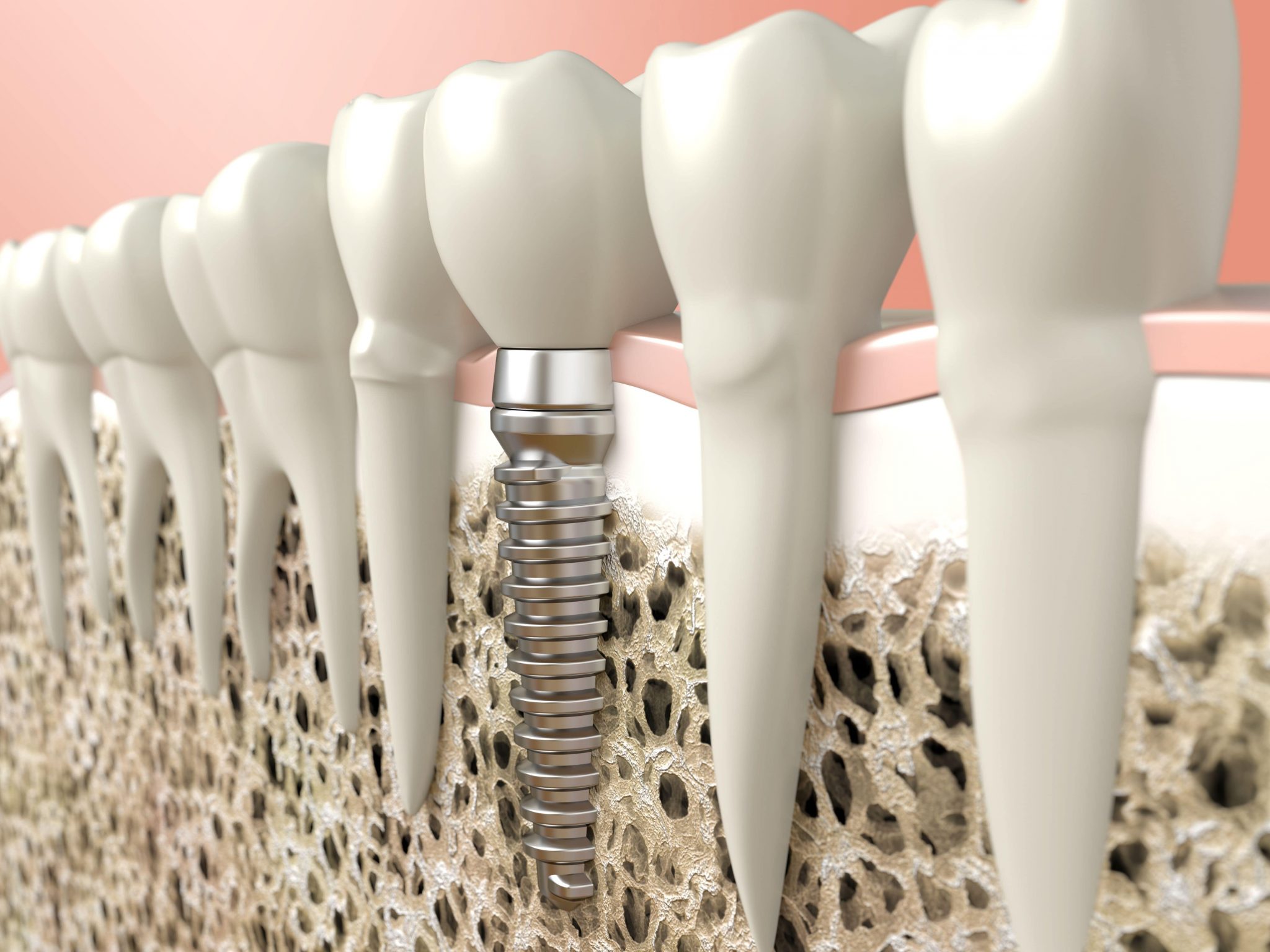
Dental Implantation is a cosmetic dentistry procedure that helps in providing people with a perfect smile. It even helps them in the restoration of their chewing and biting capabilities.

It is a procedure that addresses the problem of lost teeth that is very common among people. Periodontal diseases or accidents can cause people to lose their teeth, but there is a solution for it, and that is dental Implantation.

Ready to enjoy the innumerable benefits of dental implants? Anxious about the procedure? Well, here is a guide that will help you prepare for dental implant surgery. 

Ask a Lot of Questions

It is perfectly okay for you to be anxious about your surgery. A dentist expects its patients of dental implant surgery to ask a lot of questions. The more you ask about the surgery, the better you will feel as a dentist will provide answers that will calm you down. Whatever is bothering you, the best approach is to ask your dentist right away! 

Fast for 4-12 Hours

A mistake that many people make is they eat a few hours before surgery. You need to understand that fasting for four to twelve hours before surgery is very important. A better option is to consult your dentist about fasting before surgery. 

Proper Sleep

You need to properly rest during the night before the procedure if you want to prepare your body. Adequate sleep is essential before the appointment. The more rested your body is, the better will it recover from the procedure. 

Prepare Your Meal

You will have to consume soft foods only after the dental implantation procedure. You might find it difficult to cook food for yourself after the surgery; therefore, it is something you can do a day before the procedure. 

Calm your Mind

A calm mind plays a vital role in reducing recovery time. It is okay to feel anxious before the procedure. You need to make yourself understand that it is a minor procedure and convince yourself that the results will be amazing! 

If you want to be fully prepared for the dental implantation procedure, make sure you do follow this guide. A prepared body and mind can significantly reduce the recovery period. 

If you have any additional questions about how to prepare for surgery, please consult Dr. Samir Patel, our periodontist in Fort Mill, SC, by calling today!​

Xuyde Mb
Total Implants Gingivitis Image Compress 1886x1536 Min

The first and the mildest stage of periodontal disease is Gingivitis. It begins with the swelling and bleeding in the gingiva or gums. It does not cause any pain, and people can treat with good oral home care.  

It is crucial for people with gingivitis to follow proper oral care at home and even visit a periodontist as untreated gingivitis can turn into severe periodontal disease. Delaying the treatment of Gingivitis for long can turn into a serious condition that leads to loss of teeth.  

The signs and symptoms of gingivitis include bright red or purple gums, inflammation in the gingiva, soft and receding gums

Causes of Gingivitis

The accumulation of plaque is what leads to gingivitis. The accumulation of plaque around the teeth can lead to the destruction of gum tissue, gingival, and gums. Dental plaque is biofilm of bacteria that prevent the harmful microorganisms from attacking the mouth.  

Removal of plaque is vital as it can pave the way for tooth decay, which can worsen the situation and lead to chronic periodontitis and infections in gums. Other causes may include hormonal changes, smoking, poor diet, and family history.  

Types of Gingivitis

Gingivitis falls into two different types, each of which is a result of different conditions. Dental plaque-induced gingival disease and non-plaque induced gingival lesions are the two types of gingivitis. The dental plaque-induced disease is a result of plaque accumulation, malnutrition, and systematic factors. Non-plaque induced type is a result of fungus, bacterium, and due to exposed wounds.

Removal of plaque is vital as it can pave the way for tooth decay, which can worsen the situation and lead to chronic periodontitis and infections in gums. Other causes may include hormonal changes, smoking, poor diet, and family history.  

Complications

People do not realize that treating gingivitis is crucial for maintaining oral health. Even though it is not a severe problem but leaving it untreated can pave the way for loose teeth and even loss of tooth in worst cases.  

Not treating the problem leads to several complications, such as infection in the gums and jaw bone. It even lays the ground periodontitis which is a severe form of periodontal disease. Loss of teeth and bone and ulceration of the gums are the problems that a patient of gingivitis may have to deal with!  

Several studies have found a link between periodontal diseases and cardiovascular diseases. People need to address the problem of gingivitis to save themselves from severe periodontal diseases.  

Treating gingivitis is simple. If it is not a serious condition, good oral care at home can help make things better. However, the best approach is to opt for professional treatment. Minor procedures can help you achieve healthy gums!  

If you have any additional questions about gingivitis, please consult Dr. Samir Patel, our periodontist in Fort Mill, SC, by calling today!​

What Are Periodontics

According to a study, approximately half of  Americans thirty years old or above, develop some kind of periodontal disease. 

The symptoms can range from a slight illness along with a hollow pocket formation near the teeth to serious health issues including loss of bone and systemic inflammation. In case of severe health issues, it is always better to take notice earlier so that you can prevent developing any health-related complications such as bone loss or cardiovascular disease. 

The culprit behind periodontal disease is oral plaque. It is a bacterial biofilm with a complicated structure, and it has a high defensive mechanism against antimicrobial agents. Plaques release inflammatory cytokines and enzymes from cells that are responsible for maintaining immunity and tend to break down periodontal ligament, a tissue that keeps teeth in their place. 

To be more precise, periodontal disease has several stages. 

Total Implants Featured Image 4 Stages Gum Disease Compress
Total Implants Periodontal Image Compress

Stage 1: Healthy Gums

This age is barely noticeable. The gingival sulcus, where the tooth meets the gum, is approximate 2mm. Bleeding and inflammation do not occur at this stage. 

Stage 2: Gingivitis

Inflammation occurs with the building of plaque under gingival sulcus. The plaque releases toxins that affect the immune system and results in sore and swollen gums that bleed easily on contact. At this age, the gingival sulcus is about 3mm. Having bad breath and bad taste in the mouth is very usual. 

Stage 3: Mild Periodontal Disease

At this stage, the gap between gums and teeth gets larger and creates visible pockets. With a depth of 6mm, the gingival sulcus makes tooth cleaning extremely difficult. Calculus forming inside the pockets starts damaging the connective tissues that hold the teeth in their place. 

There’s a higher risk of tooth loss at this stage. To prevent further damage, aggressive cleaning options are used, and to slow down the tissue loss, antibiotics like doxycycline are consumed. 

Stage 4: Advanced Periodontal Disease

The final stage holds significant damage such as tooth loss and bone loss. The pockets create more space between gums and the teeth. The damaged teeth might require removal and bone loss is compensated through surgical grafts. Additionally, studies suggest that Periodontal disease can also be linked to the development of heart disease. 

If you would like to determine if you are suffering from gum disease, please consult with Dr. Samir Patel, our periodontist in Fort Mill, SC, by calling us today!

Total Implants Prosthetic Addictives2 Min

The prosthetic attachments are of great importance in case of a fixed dental prosthesis. These are very high precision devices that allow the union of the prosthesis with the base of the pillars of the dental pieces. In other words, prosthetic attachments are responsible for fixing and stabilizing the dental prosthesis, without them the treatment cannot be performed. 

Prosthetic fittings must be made of durable material and very resistant to the passage of time, as well as the dental prosthesis. They must also be unalterable in contact with food or drinks, as well as be resistant to shocks. 

The elaboration of prosthetic attachments with the appropriate characteristics may lead to an increase in the price of dental implants, but it is certainly a cost that is worth covering, if you want to have a beautiful and healthy smile for much longer. 

The prosthetic attachments are of great importance in case of a fixed dental prosthesis. These are very high precision devices that allow the union of the prosthesis with the base of the pillars of the dental pieces. In other words, prosthetic attachments are responsible for fixing and stabilizing the dental prosthesis, without them the treatment cannot be performed. 

Total Implants Prosthetic Addictives Min

Prosthetic fittings must be made of durable material and very resistant to the passage of time, as well as the dental prosthesis. They must also be unalterable in contact with food or drinks, as well as be resistant to shocks. 

The elaboration of prosthetic attachments with the appropriate characteristics may lead to an increase in the price of dental implants, but it is certainly a cost that is worth covering, if you want to have a beautiful and healthy smile for much longer. 

Types of Attachments and Uses in Implantology

Not all prosthetic attachments are the same, nor are they used in the same cases, depending on their function. The closing screw or the cap are made of pure titanium, they are used in the first part of the surgery. The purpose of this device is to be placed on the superficial part of the implant, so that no type of residue enters the implant. It is located in the pillar joint area. 

Total Implants Prosthetic Addictives2 Min

These pillars are classified into various types, among which we can highlight: 

  • Healing abutments, definitive prosthetic abutments (can be cemented or screwed) and provisional abutments. 
  • Healing abutments, which are structures made of titanium that are placed screwed to the implants and the purpose is to produce a trans-mucosal extension. 
  • It is a temporary device, required for the healing of the gum around the implant. They are placed in phase two of the surgery, already when the implant is osteointegrated. 

The prosthetic pillars are made of metal or ceramic together with a pillar screw. 

The function is the communication of the fixation platform with the oral cavity in order to receive the prosthesis. It can be cemented or screwed. Provisional abutments, can be placed at the level of the abutment or at the implant level. They are easy to place and they are placed covering the screw, by the entrance part. 

The transfer cap can be square with a self-tapping screw or conical screw. They can be made of stainless steel or plastic and are fixed to the printing element. The idea is to transfer the position of the implant to perform the work with the model. 

In the case of the analog, which is possible that it is of the abutment or of the implant, it is an element with the purpose of replicating the implant so that the laboratory can make an easy manipulation and carry out the elaboration of prostheses. The analog is made of plaster. 


Prosthetic screw

In the case of the prosthetic screw, the purpose is to screw in the rehabilitation with the abutments, in addition to performing the implant union with the abutment. 

It is important that the prosthetic attachments meet the characteristics indicated above, so that the function of both chewing and aesthetics is carried out. Ideally, it lasts a long period of time, while the correct hygienic measures of the oral cavity are practiced. 

 Keep in mind that prosthetic implant attachments will be exposed to a high level of pressure, which is exerted without the person noticing in the chewing process. Therefore, in addition to being resistant, they must be slightly elastic to prevent them from breaking. 

When we talk about prosthetic attachments, we talk about improving the quality of the patient’s teeth. This is a thorough service that only great professionals can try and we work with the best. 

If you have any additional questions about dental implants please do not hesitate to reach out to Dr. Samir Patel, our periodontist in Fort Mill, SC, by calling today!​