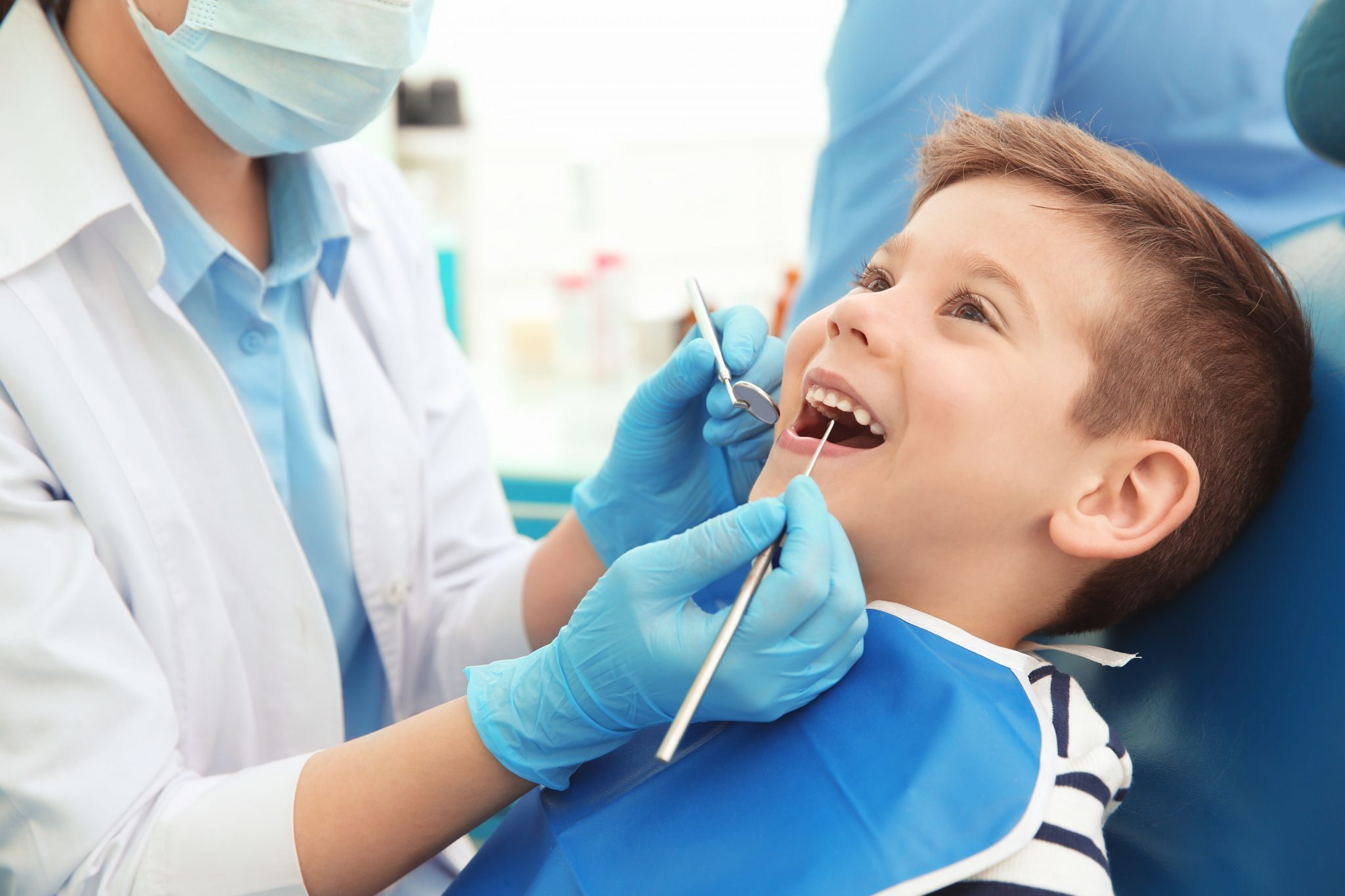
Pedfeat

Taking care of your oral and overall health must be a priority. Knowing when you need to call your dentist is important. Practicing good oral hygiene habits help to prevent tooth decay, cavities, and many other issues. Cavities are one of the most common issues patients face, and about 30 percent of Americans have untreated dental cavities. Leaving a cavity untreated can destroy your teeth leading to tooth loss, infection, and other more serious conditions.
It is helpful for patients to understand what a cavity is, and also know what symptoms to look out for if you think you may have a cavity.

What is a Cavity?

A cavity is when bacteria or food build up and form plaque on your teeth. The bacteria eat away at the enamel on your teeth and cause decay. Good oral hygiene habits are so important, and brushing and flossing can help you get rid of the plaque build up to prevent cavities from developing. Once the cavity is formed there is a small hole in your tooth, and if left untreated the cavity can destroy your tooth or develop an infection.

What Are the Signs of a Cavity?

There are signs you can look out for that may indicate you have a cavity. If you experience any of these signs we encourage you to contact our office, and our staff will get you in as soon as possible. Our team always works to keep our patient’s teeth and mouth healthy and pain free.

• Sensitivity to hot and cold that lingers and does not go away
• Sensitivity to sweet foods or drinks
• A toothache that is on or around one or more teeth
• Pain when you bite down or pain during eating
• Discoloration, white spots, or staining on a tooth
• A small hole or mark on your tooth

Need to Contact Our Office?

Knowing these signs can help you decide if you need to contact a dentist. We always tell patients to never hesitate to contact us with any questions or concerns. We are here to help, and a cavity should never be left untreated.
If you think you may have a cavity and need to schedule an appointment, contact our office and our friendly staff will be happy to assist you!
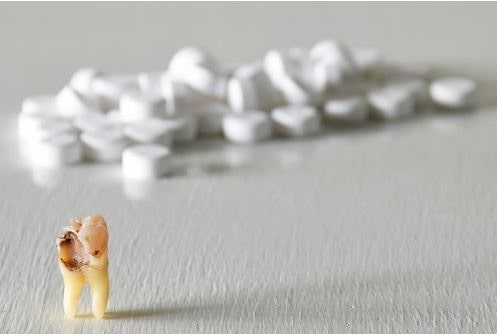
Total Implants Model Of A Tooth With Various Pills In The Background

It’s a simple fact: the use of narcotics will have a negative impact on a person’s health. Such abuse can generate many ailments, ranging from heart problems to dental problems.

This article will explore the negative effects that drug use can have on your oral health.

How Do Drugs Impact Oral Health?

Drugs can affect the dental tissue and the oral mucosa causing oral manifestations such as xerostomia. It also disrupts the alteration of salivary flow, and causes abrasion and erosion of tooth enamel. While, the most serious effects are the loss of teeth and periodontal disease.

These damages are directly associated with the type of drug and frequency of consumption. It has been shown that addicts to these substances have a higher chance of getting cavities. This is because it causes them to consume high amounts of sugar or refined carbohydrates.

What Makes You A Good Candidate For A Periodontal
What Are Drugs of Abuse?

According to the World Health Organization, drugs of abuse are non-medical substances with psychoactive effects. These can alter the reasoning and value judgment of people by affecting the central nervous system.

These can be opiates, stimulants, hallucinogens, sedatives, marijuana, and alcohol, among others. They are self-administered and can cause tiredness, sweating, increased body temperature, nausea, hallucinations, dry mouth, etc.

Studies indicate that more than 243 million people use some illegal drug. Their ages range between 15 and 64 years. Apart from physical problems, drugs of abuse cause mental damage. Those affected may suffer from disorders such as depression.

What Are The Consequences of Drug Use On My Teeth?

According to the World Health Organization, drugs of abuse are non-medical substances with psychoactive effects. These can alter the reasoning and value judgment of people by affecting the central nervous system.

These can be opiates, stimulants, hallucinogens, sedatives, marijuana, and alcohol, among others. They are self-administered and can cause tiredness, sweating, increased body temperature, nausea, hallucinations, dry mouth, etc.

Studies indicate that more than 243 million people use some illegal drug. Their ages range between 15 and 64 years. Apart from physical problems, drugs of abuse cause mental damage. Those affected may suffer from disorders such as depression.

LOVE THIS OFFICE ! Dr. Patel and his staff are truly amazing! I actually look forward to coming back!

What Are The Different Oral Issues That Can Arise With Drugs?

Different issues can arise depending on the type of drug taken. Some of the most commonly used drugs and their effects include:

Methamphetamine

Its damage is known as “methamphetamine mouth.” It is one of the most dangerous for oral health. Consumers of “meth” or “crystal meth” have decayed lateral teeth and wear in the gum areas.

Because its components are highly acidic, they soften tooth enamel, you can even remove it in a few weeks. Because of the anxiety it generates, it leads them to gnash their teeth, accelerating erosion.

In addition to this, another symptom appears, such as that of a dry mouth that causes bacteria to proliferate and increase the appearance of cavities. Consumers generally do not brush and feel like eating sweets, which threatens their oral hygiene. 

Ecstasy

99% of people who consume it have dry mouth syndrome, which increases the chances of tooth decay. Bruxism is another side effect, which results in clenching or grinding causing constant jaw pain.

Marijuana

Dry mouth is one of the most common symptoms of marijuana usage alongside tooth decay and gum disease. It can help the onset of cancer in the mouth. This is because it interrupts the flow of blood in this area and because of gingival widening.

Cocaine

When mixed with saliva, the acidic substances it contains wear teeth. One of the effects of the drug on the tongue is that it damages the palate and makes it difficult to speak, eat and drink.

When consumed, addicts can rub the drug in the gums causing mouth ulcers, as well as damage to the jaw. 

Heroin

Like the previous ones, its effects include dental caries, dry mouth, teeth grinding, wear and gum disease. Other disorders include fungi in the mouth, viral infections and discoloration in the tongue.

Questions? Contact Total Implants & Periodontics in Fort Mill, SC

Dr. Samir Patel & his team at Total Implants & Periodontics can provide a variety of dental treatments in Fort Mill, SC. If you have any additional questions about how drug use can impact your oral health or are looking to schedule for your next cleaning, please don’t hesitate to contact our office! We look forward to helping you.

Total Perio Older Woman Smiling

While oral problems can arise for anyone at any age, older individuals are often suspetible for certain types of oral diseases.

This article will tell you more about the subject and we give you some tips to avoid those inconveniences that arise in the teeth and mouth with aging.

Total Perio Older Couple Smiling

Dr. Patel is caring, professional and knowledgable. I’ve had to have a lot of dental work done recently and I’m so glad to have found him. He works well with my dentist to come up with the best plan for me.

What Oral Problems Exist in the Elderly?

There are several oral problems that occur frequently in the elderly. Since the body and the oral cavity also undergo changes. 

Some of the most common diseases include:

Tooth Sensitivity

There are many causes of tooth sensitivity and one of them is aging. This is because the gums begin to contract. That is, they go down and move away from the teeth. This exposes the teeth much more, especially in areas that are not protected by enamel. This causes the mouth to be more sensitive to external stimuli such as cold, hot foods or drinks and even sugar. To solve it, you can use toothpaste, specially created for sensitive teeth. But if the problem persists it is advisable to go to the dentist.

Tooth Loss

About 20% of the elderly suffer from this problem. The loss of teeth not only affects confidence, but makes it difficult to do everyday things like chewing or talking.

This occurs because the teeth have less protection and eventually become damaged or worn. That is why many older adults choose to use dentures or implants. That way, they can carry on their daily activities easily.

Dry Mouth

As we mentioned, over the years, saliva production decreases. This is further enhanced because that many elderlies take medications that could cause dry mouth leaving the teeth a little more unprotected.

Cavities

Other oral problems that elderly people may have are cavities. Enamel wear allows teeth to be more prone to them. This can be aggravated if there is no good hygiene.

The oral health in older people must go hand in hand with a more complete hygiene routine. Especially since tooth decay can become bigger problems for the elderly.

Periodontal Disease

This problem can begin to manifest from the age of 40. The most common signs are bleeding, inflammation of the gums, bad breath and bad taste in the mouth. Periodontal diseases can be prevented with good dental hygiene. It should be noted that gum problems can lead to gingivitis or periodontitis. So, it is always important that if you bleed easily go to the dentist for a review.
Total Implants 09949
Dr. Samir Patel has extensive education & experience in treating gum disease & dental problems in his patients. He is proud to serve Fort Mill, SC!

Looking for a Great Dentist in Fort Mill, SC?

Dr. Samir Patel, our periodontist in Fort Mill, SC, provides comprehensive periodontal treatments & dental care. If you would like to learn more about how to prevent oral problems from arising in the elderly or are looking to schedule an appointment, please reach out to our staff today! We pride ourselves on our friendliness!